
How to Pick the Best IPTV Reseller in 2026 (Buyer’s Guide)
The best IPTV reseller program is the one where you can verify real server uptime, understand exactly how credits convert to profit, and get a white-label panel with support that actually answers — not just the option with the lowest starter price. This guide walks through both sides of the decision: what to check before you buy from a reseller, and what to look for if you want to become one yourself.
“IPTV reseller” gets searched by two different people: someone shopping for a subscription sold by a reseller, and someone who wants to start reselling and needs to pick a panel/provider to buy credits from. We cover both, because the evaluation criteria overlap almost completely — uptime, pricing structure, support, and legitimacy are what separate a business you can build on from one that disappears with your money.
What Is an IPTV Reseller?
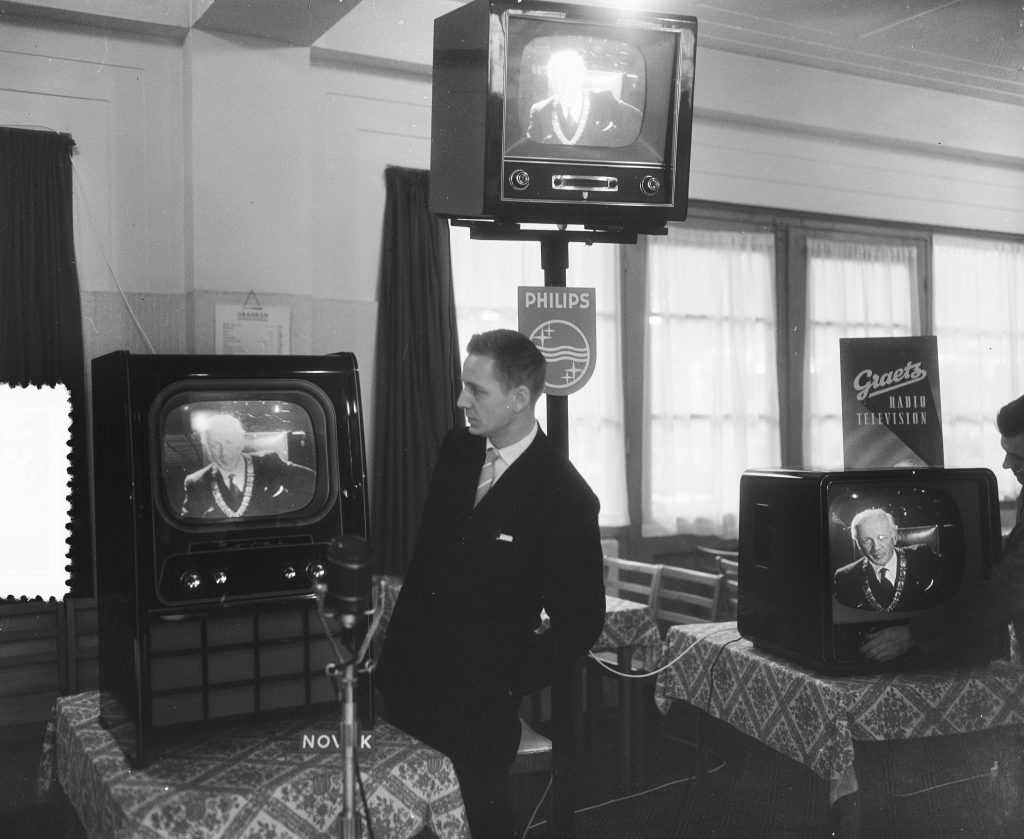
An IPTV reseller is a business or individual who buys streaming capacity — usually in the form of prepaid “credits” — from a main IPTV provider, then sells subscription lines to their own end customers under their own pricing and, often, their own brand. The reseller doesn’t run the streaming infrastructure; they buy access to it wholesale and mark it up at retail. The upstream provider (sometimes called the panel operator) handles the servers, channel feeds, and content delivery, while the reseller handles sales, billing, and first-line customer support.
This is functionally the same model used by mobile virtual network operators (MVNOs) in telecom — buy network capacity wholesale, resell it under your own terms. For a customer, the experience of using a reseller-sold subscription is identical to buying direct: you get login credentials or an M3U/Xtream Codes URL, load it into an app, and start streaming. IPTV itself simply refers to television delivered over Internet Protocol networks rather than traditional broadcast or cable — see Wikipedia’s overview of Internet Protocol television for the underlying technology.
How the Reseller Panel and Credit System Work
Nearly every IPTV reseller program runs on a credit system, and understanding it is the first step to evaluating any offer:
- Buy a credit package. Providers sell credits in tiers — for example 25, 50, 100, or 500 credits — with the per-credit price dropping as the tier size increases.
- One credit typically equals one month of service for one connection. A 12-month line for one customer usually consumes 12 credits (some panels sell discounted multi-month bundles).
- Use the panel dashboard to create customer lines. You set the plan length, connection count, and (on white-label panels) your own branding.
- Set your own retail price. The margin between your wholesale cost-per-credit and what you charge the customer is your profit.
- Renew or top up credits as your customer base grows.
Reported reseller margins vary widely by market and plan length, but wholesale cost per credit commonly lands in the $1–$3 range at mid-size tiers, while resellers typically charge end customers somewhere in the $8–$15/month range (more for multi-connection or 4K/sports-heavy plans). Annual plans paid upfront tend to produce the best margin per hour of support work, since you’re not re-billing monthly.
What to Look for When Choosing an IPTV Reseller Program
1. Verifiable Server Uptime and Stream Stability
Uptime is the foundation everything else depends on — if streams buffer or drop during a live match, no pricing structure saves the relationship with your customer. Look for a stated uptime figure (99%+), multiple server regions so load can be balanced, and anti-freeze/anti-buffer technology. Ask if you can test a live feed during peak hours (evenings, major sports fixtures) before committing, not just during a quiet trial window.
2. Transparent Credit Pricing and No Hidden Renewal Fees
Get the exact price-per-credit at every tier in writing, and confirm whether credits expire. Some panels quietly expire unused credits after 6–12 months, which erodes margin if your sales are seasonal. Compare the effective cost per subscriber-month, not just the headline tier price.
3. White-Label and Branding Support
If you’re building a real business rather than a side hustle, a white-label panel matters: your own app branding, your own support contact, and no visible reference to the upstream provider. This protects your customer relationships if you ever switch suppliers, and it makes your service look like a real company rather than a resold account.
4. Channel Count, VOD Library, and Regional Coverage
A large number on a sales page means little without detail. Ask for a breakdown by region (US, UK, international, sports), stream quality tiers (SD/HD/FHD/4K), VOD catalog size and update frequency, and EPG (electronic program guide) accuracy. If you’re reselling to a specific country or diaspora audience, regional channel depth matters more than a raw total.
5. Simultaneous Connections and Device Compatibility
Your customers will ask for multi-device support — check how many simultaneous streams each credit/line allows, and confirm compatibility across the devices people actually own: Android boxes and phones, Amazon Fire TV Stick, Samsung/LG Smart TVs, Apple devices, MAG boxes, and Kodi via IPTV Simple Client. See the full IPTV applications list for supported apps and setup paths.
6. Responsive Support — for You and Your Customers
You need two layers of support to work well: the upstream provider’s support to you (fast escalation when a server has an issue), and your own ability to support end customers quickly. Favor providers with live chat or Telegram/WhatsApp support and documented average response times, and check whether they provide setup guides and troubleshooting docs you can reuse or white-label for your own customers. RevoIPTV’s tutorials hub is an example of the kind of documentation depth worth expecting.
7. A Real Free Trial — Before You Commit Credits or Cash
Any reseller program confident in its infrastructure will let you test before buying a large credit package, and any reseller selling to end customers should offer the same courtesy downstream. A 24–48 hour trial lets you check buffering, channel accuracy, and app stability on real devices. You can claim a free IPTV trial from RevoIPTV to evaluate stream quality with no commitment before choosing a plan.

Vetting Legitimacy: Questions to Ask Before You Buy Credits
The IPTV reseller space includes both licensed, properly-sourced services and unlicensed “pirate” restreams, and the difference matters both ethically and practically — an unlicensed upstream provider can vanish overnight, taking your customers’ subscriptions and your reputation with it. Before committing to a reseller program, ask:
- Does the provider have a real business identity — a named company, verifiable contact information, and a support team you can reach by more than a contact form?
- Is pricing realistic? Extremely low per-credit costs relative to the channel count promised is the clearest warning sign of an unstable or unlicensed backend.
- How long has the provider operated, and can you find independent reviews or a track record beyond their own site?
- Do they offer a written refund or SLA policy, or is everything verbal?
Treat these questions the same way you’d vet any B2B supplier you plan to build a customer base on top of — your business is only as stable as the infrastructure underneath it. In the US, traditional multichannel video is regulated under the FCC’s multichannel video programming distributor (MVPD) framework, which is a useful reference point for understanding how licensed video distribution is normally structured and why unlicensed restreams carry real risk.
Comparing IPTV Reseller Programs Side by Side
Once you have a shortlist, score each provider on the criteria that actually predict a good outcome:
| Criteria | What to check | Good sign |
|---|---|---|
| Uptime | Stated guarantee, server regions | 99%+, multiple regions, tested at peak hours |
| Credit pricing | Cost per credit by tier, expiry terms | Written pricing, no forced expiry |
| Margin potential | Wholesale cost vs. realistic retail price | Healthy markup at your target price point |
| White-label | Custom branding, app, support contact | Full white-label included, not an upsell |
| Channels & VOD | Regional breakdown, quality tiers, catch-up | Detailed public breakdown, not just a total |
| Support | Response time, channels (chat/Telegram) | Documented fast response, reusable docs |
| Trial | Length, device coverage | 24–48h trial with no card required |
Explore RevoIPTV’s own IPTV reseller packages to see this scorecard applied directly — credit tiers, connection allowances, and white-label options laid out for comparison. If you’re evaluating cost before committing to credits, the pricing and subscription page shows what fair market rates look like in 2026, and the FAQs page answers common setup and billing questions.
Red Flags to Avoid
- No uptime guarantee or SLA. Providers confident in their infrastructure state numbers publicly.
- Unrealistically low credit prices. Often means an overloaded, unlicensed, or unstable backend that will fail you later.
- No free trial for you or your future customers. A refusal to let you test is a refusal to be held accountable.
- Crypto-only payment with no receipt or invoice. Makes chargebacks and disputes impossible if the provider disappears.
- Credits that silently expire or panels that change pricing without notice.
- No verifiable company identity or contact info beyond a Telegram handle.
FAQ
What is an IPTV reseller?
An IPTV reseller buys streaming capacity — usually as prepaid credits — from a main IPTV provider and sells subscription lines to end customers at their own price, often under their own brand, while the upstream provider runs the actual servers and channel delivery.
How much does it cost to become an IPTV reseller?
Entry-level credit packages commonly start in the $50–$150 range, with per-credit cost dropping at higher tiers. Since one credit typically covers one customer for one month, your starting cost per subscriber is usually just a few dollars, with margin coming from the retail price you set.
How much profit can an IPTV reseller make?
Margins depend heavily on your retail pricing and customer volume, but reported markups between wholesale credit cost and typical retail pricing are commonly several times the wholesale cost, especially on annual plans paid upfront. Realistic income scales with how many active, renewing lines you maintain — it is not passive income without ongoing support work.
Is being an IPTV reseller legal?
It depends entirely on whether the upstream provider is properly licensed to distribute the channels it offers. Reselling access to a provider that lacks proper content licensing carries real legal exposure, since resellers are customer-facing and directly profit from the service. Vet any provider’s business legitimacy, licensing claims, and track record before committing.
What’s the difference between an IPTV reseller and the main provider?
The main provider (or panel operator) owns or licenses the server infrastructure and channel feeds. The reseller buys access wholesale via credits and handles the customer-facing side — sales, pricing, billing, and first-line support — without operating the underlying streaming infrastructure themselves.
Do IPTV resellers offer free trials?
Reputable resellers do, typically 24–48 hours, so customers can verify channel accuracy and stream stability on their own devices before paying. You can start a free RevoIPTV trial instantly with no credit card required.
What should I look for in an IPTV reseller panel?
Prioritize verifiable uptime, transparent non-expiring credit pricing, full white-label branding, detailed channel/VOD breakdowns, multi-device support, and fast support response times — then confirm the provider’s business legitimacy before buying a large credit package.
Join the conversation
Read next

1 response on “How to Pick the Best IPTV Reseller in 2026 (Buyer’s Guide)”